
Text-based Tasks
Part 1
What information do these signs give you? Tick the correct answer.

|
A |
|
All items in the store cost less than 30 pounds. |
|
B |
|
Offers are valid from July 1st. |
|
C |
|
All items are available on discount. |
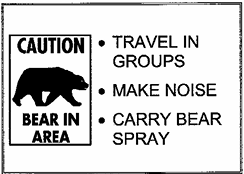
|
A |
|
You shouldn't be too noisy. |
|
B |
|
Do not explore the area alone. |
|
C |
|
Bear spray won't help you. |
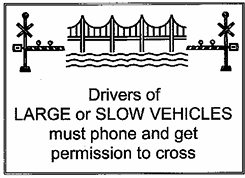
|
A |
|
Before crossing you might have to make a call. |
|
B |
|
Large and slow vehicles are not allowed to cross. |
|
C |
|
You can phone drivers to see their permission. |
Part 2 - 5: Text
(Note: This image was created with the help of AI and does not originate from the original examination. The illustration used here serves as a content-equivalent alternative to the version shown in the exam.)
Japan – Culture and Personalities
1 humility: Ergebenheit, Bescheidenheit, Demut
(510 words)
[https://www.japanlivingguide.com/expatinfo/
japaneseculture/japanese-personalities-culture-getting-along/; Zugriff am: 12.07.2025]
[https://www.japanlivingguide.com/expatinfo/japaneseculture/japanese-personalities-culture-getting-along/; Zugriff am: 12.07.2025]
(Zu Prüfungszwecken bearbeitet)
Part 2
Match each part of the text with the correct heading. There is one more heading than you need. Write down the correct letter.
|
a) |
lines 1 - 7: |
|
b) |
lines 8 - 10: |
|
c) |
lines 11 - 17: |
|
d) |
lines 18 - 25: |
|
e) |
lines 26 - 32: |
|
f) |
lines 33 - 38: |
|
A |
Common personality qualities |
|
B |
Harmony and peace |
|
C |
Traditional dishes in Japan |
|
D |
Benefits of an open mindset |
|
E |
Everyday customs and traditions |
|
F |
Morals and principles make it easier |
|
G |
A different way of life |
|
Solution: |
|
a) _______ |
|
b) _______ |
|
c) _______ |
|
d) _______ |
|
e) _______ |
|
f) _______ |
Part 3
Decide whether the statements are 'true', 'false' or 'not in the text'.
Tick the correct answer.
|
true |
false |
not in the text |
||
|
a) |
Japanese culture often focuses more on the group than on the individual. |
|
|
|
|
b) |
In Japan, giving strong personal opinions is important for efficient group work. |
|
|
|
|
c) |
It is common for children to start learning proper behaviour very early. |
|
|
|
|
d) |
Many Japanese people spend their weekends hiking in the mountains. |
|
|
|
|
e) |
In restaurants, you have to clean your table with a special towel if it is dirty. |
|
|
|
|
f) |
Japanese people are offended if others don't stick to their code of behaviour. |
|
|
|
|
g) |
Being thoughtful about their habits makes connecting with people easier. |
|
|
|
Part 4
Tick the correct endings to complete the sentences according to the text.
Learning about values like respect and humility
|
A |
|
is optional for students. |
|
B |
|
can help you feel more at home in Japan. |
|
C |
|
is mainly important for tourists. |
Even outgoing Japanese people
|
A |
|
usually behave in a reserved way. |
|
B |
|
often prefer to stay silent in public. |
|
C |
|
never talk to strangers at all. |
Coming late
|
A |
|
is quite common in Japan. |
|
B |
|
cannot be prevented sometimes. |
|
C |
|
is seen as a sign of disrespect. |
A basic bow in Japan
|
A |
|
is enough for foreigners to show respect. |
|
B |
|
must always be very deep and formal. |
|
C |
|
should only be used during ceremonies. |
Understanding Japanese traditions and customs
|
A |
|
can help build relationships. |
|
B |
|
is only necessary if you live in rural areas. |
|
C |
|
means you must behave exactly like a Japanese person. |
Part 5
Find the corresponding line / lines in the text that mean the same. Write down the correct letter.
|
a) |
Japanese culture can feel very unfamiliar to people from other countries. |
Letter: ______ |
|
b) |
Many Japanese people prefer not to say things that could upset others. |
Letter: ______ |
|
c) |
It is common to give small presents after travelling. |
Letter: ______ |
|
d) |
By trying to follow Japanese customs, you don't need to do everything perfectly. |
Letter: ______ |
|
lines 6 - 7 A |
lines 15 - 16 B |
lines 24 - 25 C |
lines 29 - 30 D |
lines 31 - 32 E |
|
line 8 F |
line 34 G |
lines 1 - 2 H |
lines 18 - 19 I |
lines 35 - 37 K |
Weiter lernen mit SchulLV Plus!
monatlich kündbarSchulLV Plus-Vorteile im ÜberblickDu hast bereits einen Account?Part 1
|
C |
|
All items are available on discount. |
|
B |
|
Do not explore the area alone. |
|
A |
|
Before crossing you might have to make a call. |
Part 2
|
a) |
G |
|
b) |
F |
|
c) |
B |
|
d) |
A |
|
e) |
E |
|
f) |
D |
Part 3
|
true |
false |
not in the text |
|
|
a) |
|
|
|
|
b) |
|
|
|
|
c) |
|
|
|
|
d) |
|
|
|
|
e) |
|
|
|
|
f) |
|
|
|
Part 4
|
B |
|
can help you feel more at home in Japan. |
|
A |
|
usually behave in a reserved way. |
|
C |
|
is seen as a sign of disrespect. |
|
A |
|
is enough for foreigners to show respect. |
|
A |
|
can help build relationships. |
Part 5
|
a) |
H |
|
b) |
B |
|
c) |
D |
|
d) |
G |