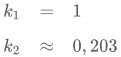
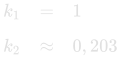
Aufgabe 1
Gegeben ist die in 
 definierte Funktion

 mit
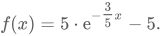
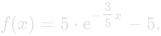
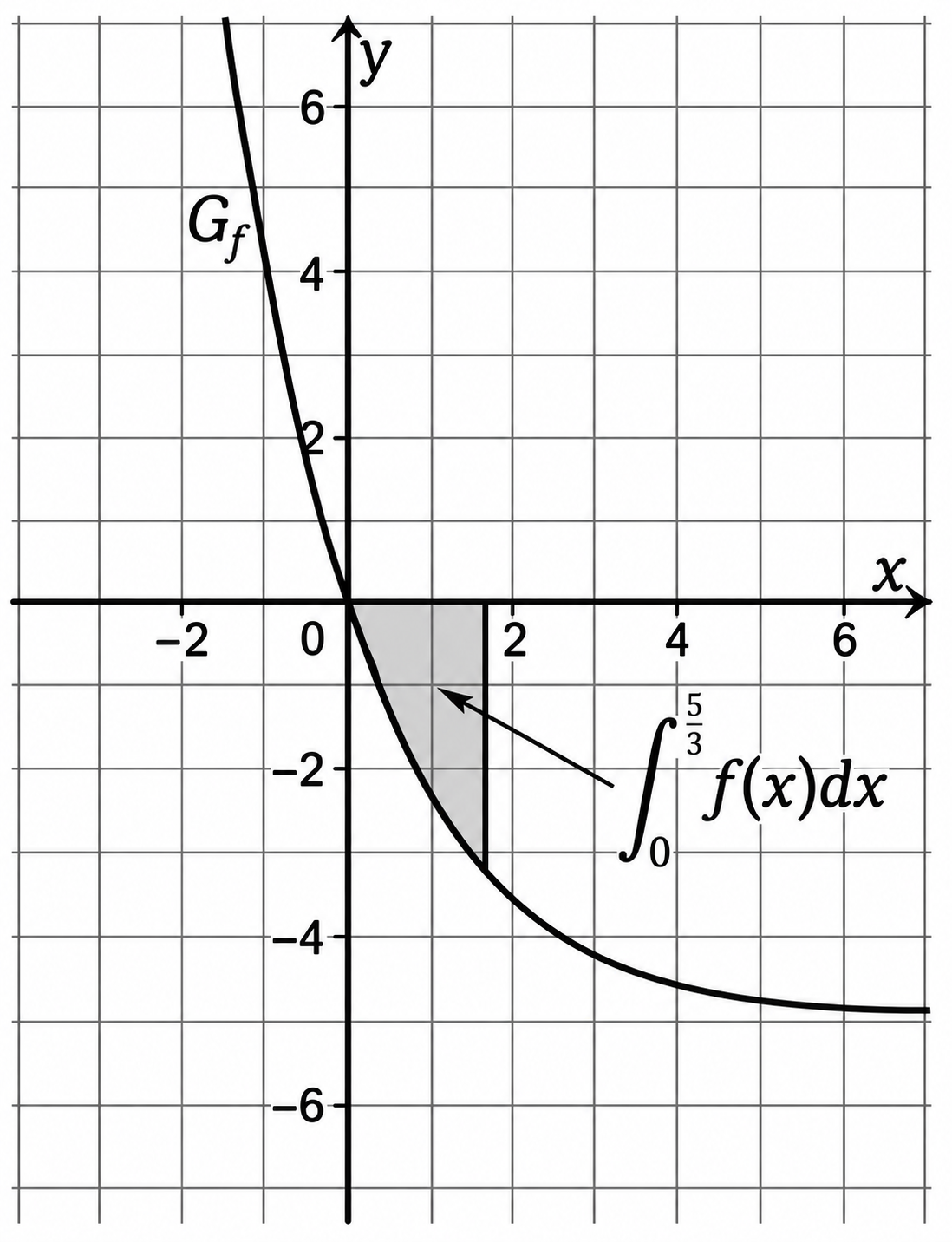
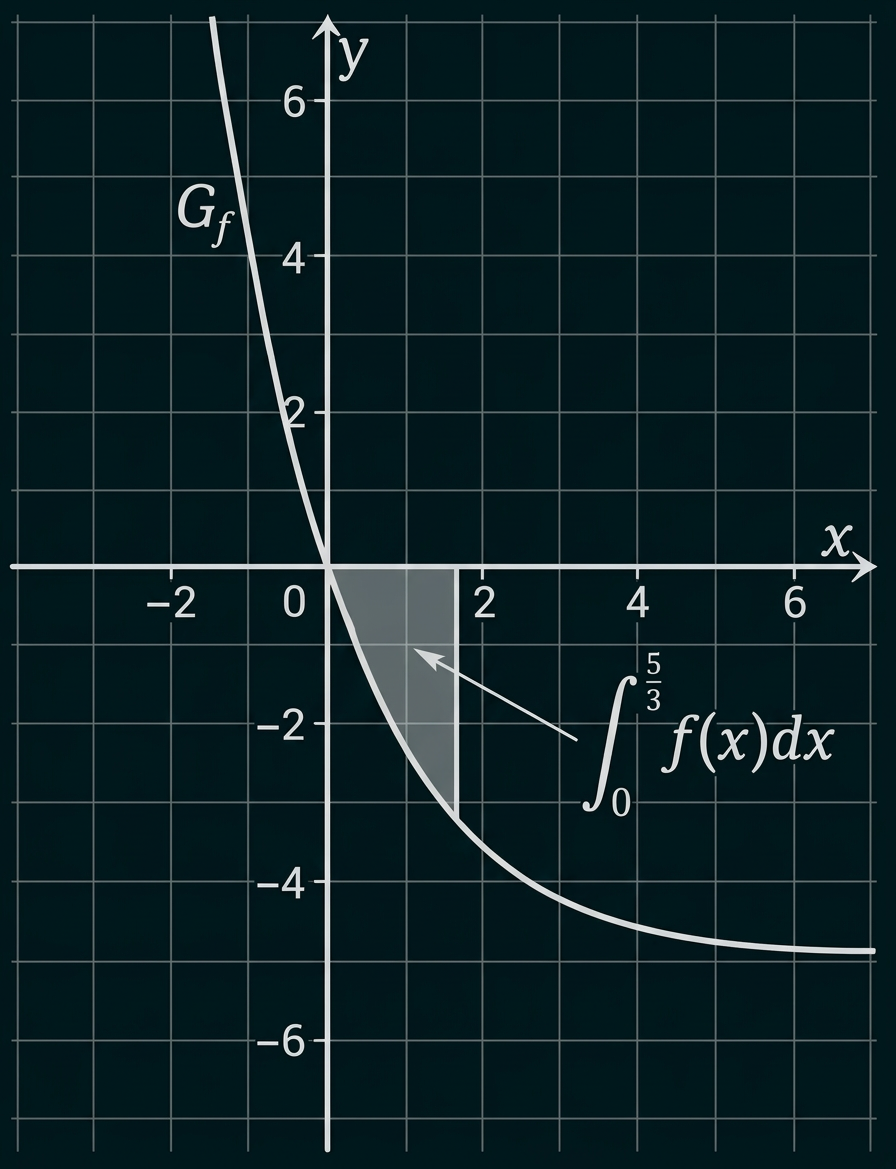
Abbildung 1 zeigt den Graphen 
 von


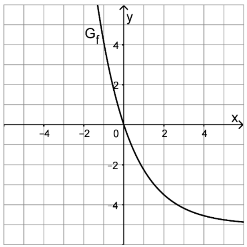
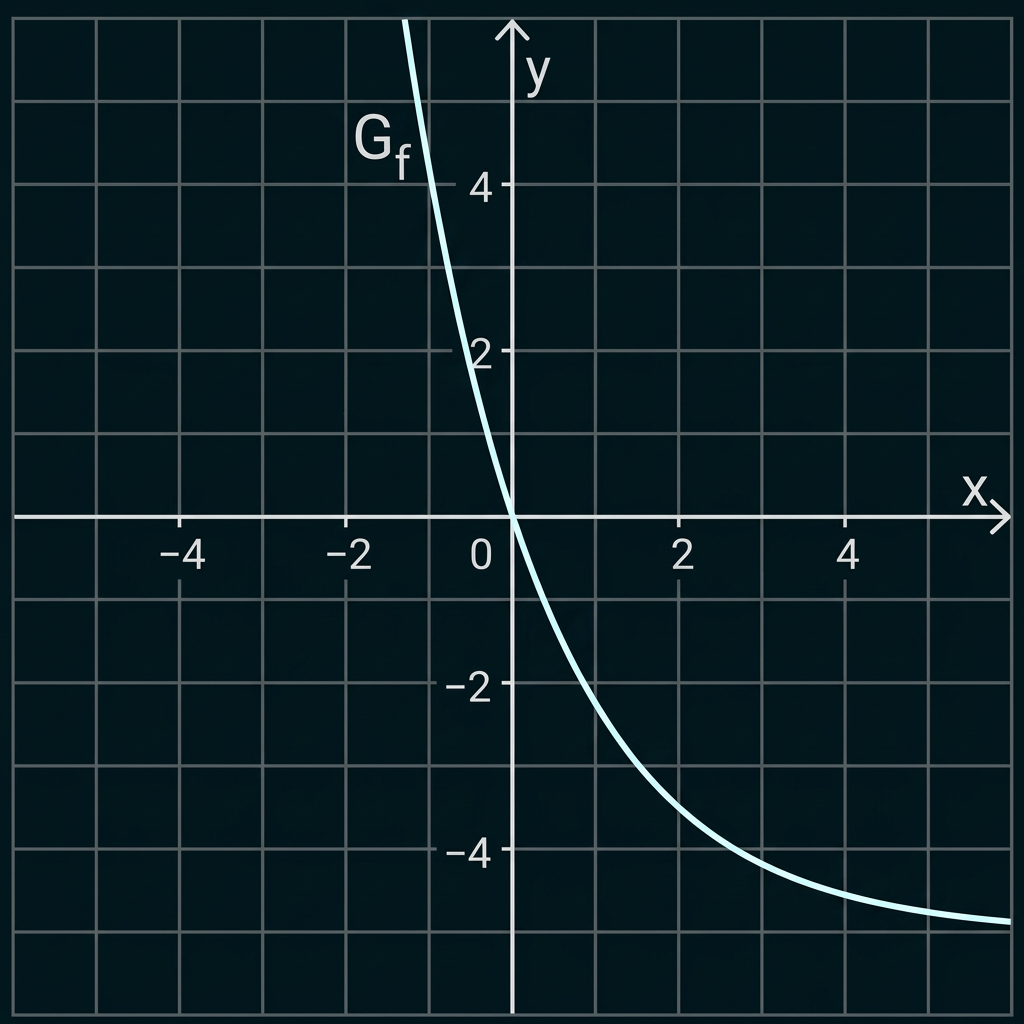
Abbildung 1
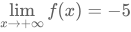
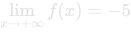
Begründe mithilfe des Funktionsterms, dass streng monoton fallend ist und durch den Koordinatenursprung verläuft. Gib den Grenzwert 
 an.
Bestimme den Wert des Integrals 
 und veranschauliche diesen Wert in Abbildung 1.
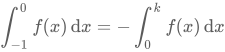
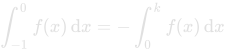
Begründe, dass die folgende Aussage wahr ist, ohne einen Term einer Stammfunktion von zu verwenden:
Es gibt genau eine reelle Zahl 
 mit

 die Lösung der Gleichung
 ist.
Nachfolgend sind die wesentlichen Schritte eines Lösungswegs zu einer Aufgabe im Zusammenhang mit der Funktion dargestellt. Gib eine passende Aufgabenstellung an.
-


-


-

 der gesuchte Anteil beträgt somit etwa


Gegeben ist die Schar der in definierten Funktionen 
 mit
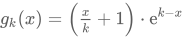
 und


Für jedes 
 wird der Graph von mit

 bezeichnet.
Leite für jedes unter Verwendung geeigneter Rechnungen eine Gleichung der Wendetangente 
 her, die im einzigen Wendepunkt des Graphen an den Graphen gelegt wird.
Gegeben ist die Schar der in definierten Funktionen 
 mit

 und
Für jedes wird der Graph von mit 
 bezeichnet.
Für jedes gilt:
-
schneidet die

 -Achse genau einmal im Punkt


-
schneidet die -Achse genau einmal im Punkt


-
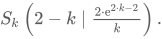
und besitzen genau einen gemeinsamen Punkt
-
Das Dreieck

 ist gleichschenklig mit der Basis


Zeige, dass für jedes die Länge der Strecke 
 unabhängig von ist.
In Abbildung 2 ist der Graph 
 der in

 definierten Funktion

 mit
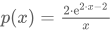
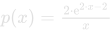 dargestellt. besitzt an der Stelle

 seinen einzigen Tiefpunkt.
Begründe mit Hilfe von Abbildung 2, dass das Dreieck 
 unter allen Dreiecken mit minimalen Flächeninhalt besitzt.
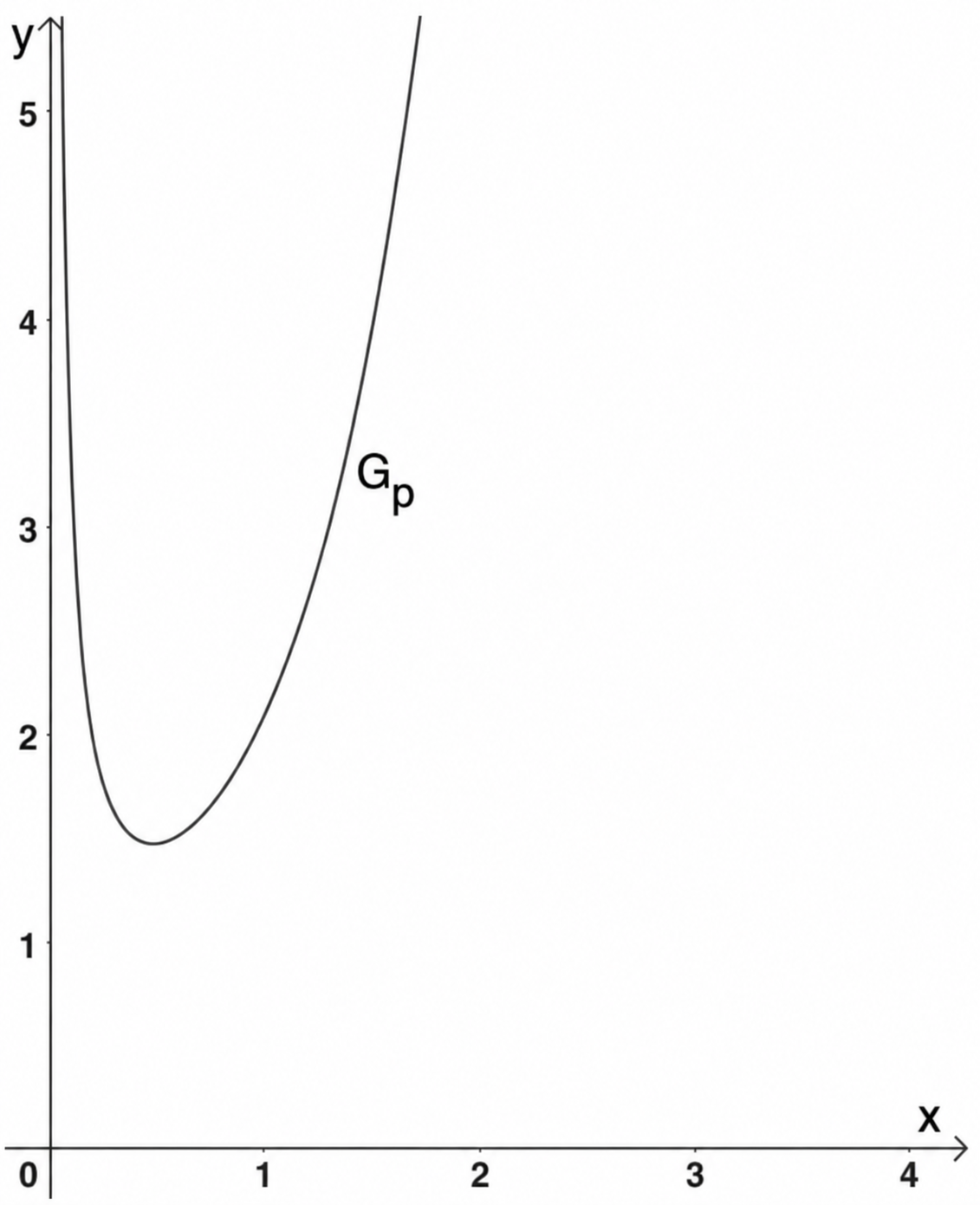
Abbildung 2
Bestimme alle Werte von 
 für die das Dreieck rechtwinklig ist.
Weiter lernen mit SchulLV Plus!
monatlich kündbarSchulLV Plus-Vorteile im ÜberblickDu hast bereits einen Account?Da gegenüber dem streng monoton fallenden Graphen der in definierten Funktion 
 gestreckt und verschoben ist, ist streng monoton fallend. Einsetzen von

 in die Funktionsgleichung liefert:


Somit verläuft der Graph durch den Koordinatenursprung. Für den gesuchten Grenzwert gilt:
Mit dem CAS ergibt sich:
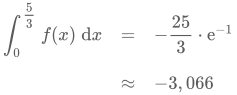
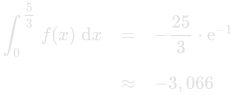
Einzeichnen in der Abbildung liefert:
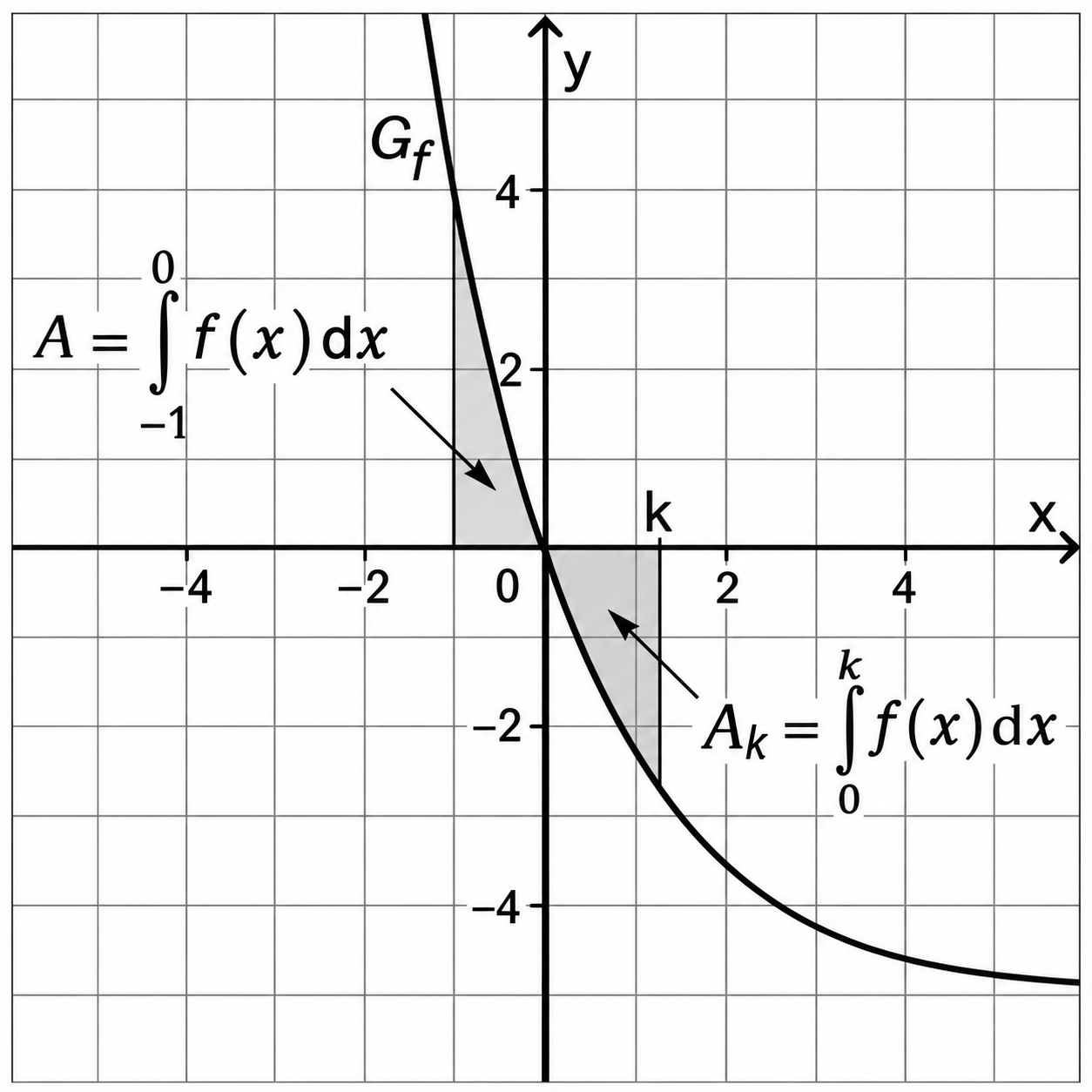
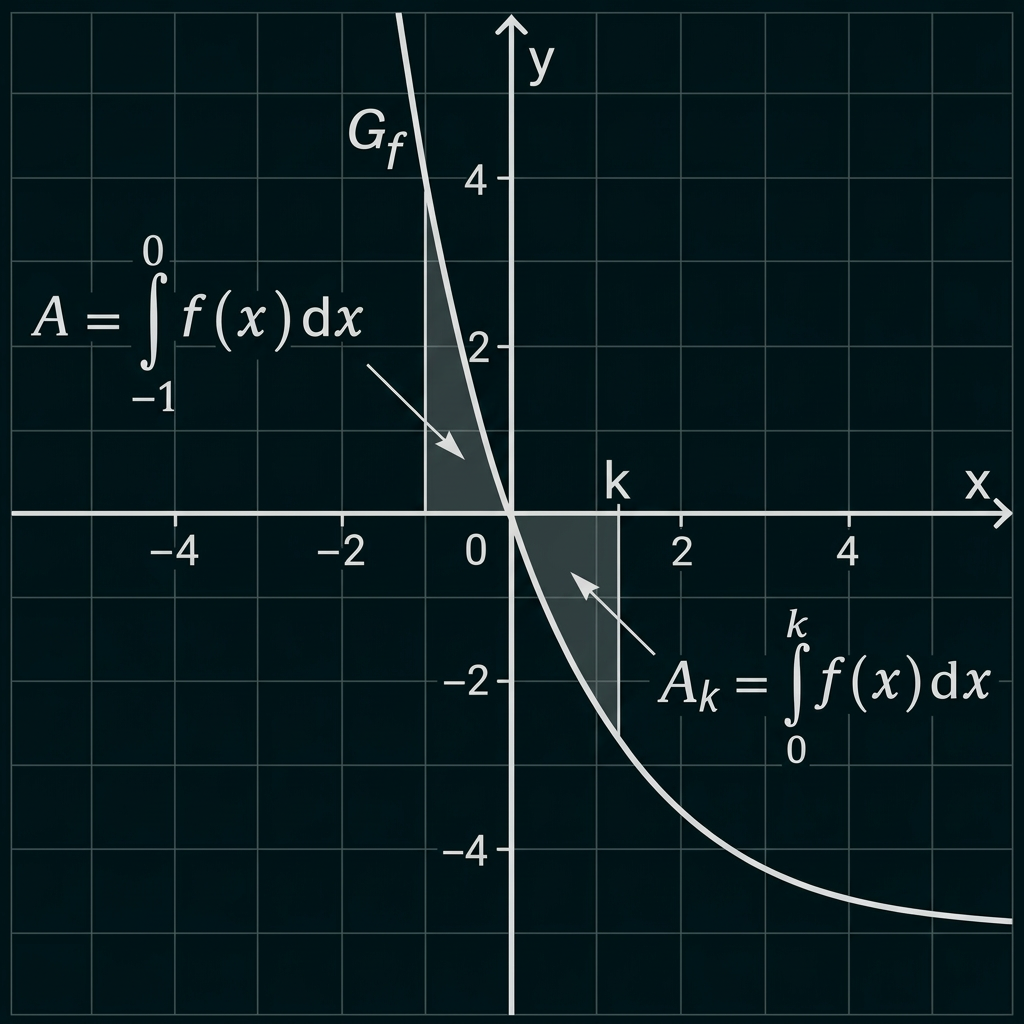

 wächst mit zunehmendem Wert von

 Da zudem

 und

 gilt, ist die Aussage wahr.
Betrachtet wird der Körper, der bei Rotation des Graphen von um die -Achse im Bereich 
 entsteht. Berechne den Anteil des Volumens dieses Körpers an dem eines Zylinders mit dem Radius

 und der Höhe


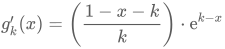
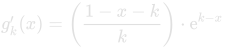
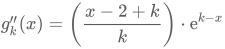
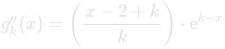
Für die ersten beiden Ableitungen von folgt mit dem CAS:
Anwenden der notwendigen Bedingung für Wendestellen 
 und Auflösen nach mit dem CAS liefert:


Da laut Aufgabenstellung genau eine Wendestelle existiert, kann die Überprüfung der hinreichenden Bedingung vernachlässigt werden. Für die 
 -Koordinate ergibt sich:
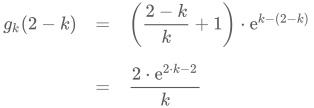
Für die Steigung der Wendetangente gilt:
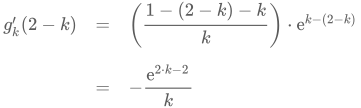
Einsetzen der Koordinaten der Wendepunkts sowie der Steigung 
 in die allgemeine Tangentengleichung

 ergibt:


Auflösen nach 
 mit dem CAS liefert den Achsenabschnitt
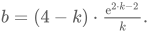
 Somit folgt für die gesuchte Tangentengleichung:


Auflösen von 
 nach mit dem CAS liefert:


Auflösen von 
 nach mit dem CAS liefert:


Da die Strecke vollständig auf der -Achse liegt, ergibt sich der Abstand wie folgt:
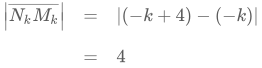
Da die Länge der Strecke 
 unabhängig von ist, ist der Flächeninhalt des Dreiecks

 nur abhängig von der Höhe zur Basis

 Diese Höhe entspricht der -Koordinate von


Der Flächeninhalt des Dreiecks ist folglich proportional zu 
 d.h. minimal für


Da jedes Dreieck 
 gleichschenklig ist, ist aufgrund der Innenwinkelsumme genau dann rechtwinklig, wenn der Graph die -Achse in einem Winkel von

 schneidet. Die Steigung von muss also

 oder

 betragen. Für die Steigung der Geradenschar liefert Ablesen in der Funktionsgleichung

 Da gilt und die

 -Funktion stets positiv ist, ist die Steigung immer negativ. Somit kommt nur als mögliche Steigung infrage:
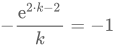
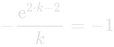
Auflösen nach mit dem CAS liefert: